Comprehensive Guide to Tree Pruning Akron OH: Safe and Efficient Techniques

Tree removal can be a complex process that requires careful planning and execution. Whether you’re dealing with a hazardous tree or simply clearing space, ensuring safety and efficiency throughout the process is essential. Below, we delve into the key techniques for safe and effective tree removal.

Importance of Safety in Tree Removal

Tree removal poses several risks if not done correctly. Some potential hazards include:
– Falling branches or tree sections
– Damage to nearby property or structures
– Injuries from improper use of equipment

Following proper safety protocols minimizes these risks and ensures the process runs smoothly.

Key Steps for Safe Tree Removal

  1. Inspect the tree thoroughly for structural issues like decay, splits, or dead branches.
  2. Evaluate leaning trees carefully as they may indicate root instability.
  3. Identify proximity to power lines or buildings.
  4. Remove people, pets, vehicles, and other obstructions around the work zone.
  5. Establish a safe perimeter using barriers or warning signs.
  6. Choosing Appropriate Tools
    Depending on the size and condition of the tree, you may need:

    • Chainsaws for cutting larger sections of wood.
    • Hand saws for smaller branches or limbs.
    • Ropes and harnesses for controlled felling in tight spaces.
  7. Determining Felling Direction
    Properly planning where a tree will fall is critical to avoiding damage:
  8. Study natural lean direction or adjust felling with controlled cuts.
  9. Use wedges to guide the fall if necessary.
  10. Executing Precision Cuts
    Professional tree cutters typically make three key cuts:
    1) The undercut (notch) on the side facing where you want it to fall. 2) The back cut opposite the notch to release tension. 3) Smaller trimming cuts for limbs removed first during sectional takedown processes.

Modern Methods in Sectional Takedown

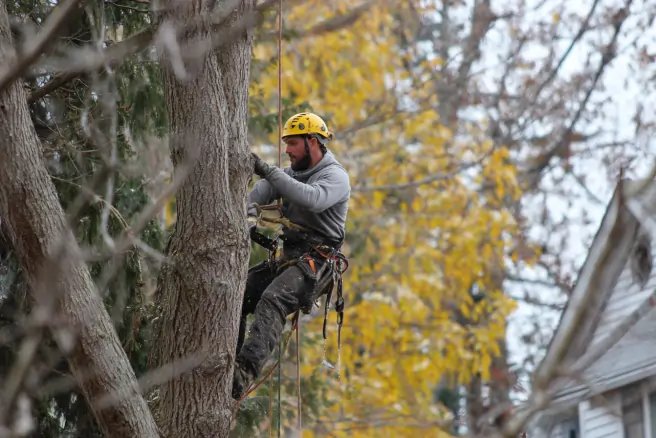
For trees located near structures or confined areas, sectional takedown – removing one piece at a time – is often safer than full felling techniques: – Arborists use climbing gear combined w/ rigging rope-slings carrying away debris orderly safely

Essential Tips for Stump Removal Akron OH to Prepare Your Property Effectively

Preparing your property for tree removal is a critical process that ensures safety, efficiency, and the protection of surrounding structures and vegetation. Proper preparation can streamline the task for professionals and prevent unnecessary damage or delays. Below are key steps to follow when getting your property ready for safe and effective tree removal.

1. Clear the Surrounding Area

Before tree removal begins, it’s essential to create a clear workspace around the tree. This allows professionals to maneuver equipment safely and reduces the risk of damage to nearby objects.

  • Remove outdoor furniture: Relocate patio furniture, grills, or other items that may be in the vicinity of the tree.
  • Tidy up landscaping elements: Trim back shrubs or plants near the tree base to provide clear access.
  • Relocate vehicles: Park cars away from work zones to avoid accidental damage from falling debris.

2. Inform Neighbors (If Necessary)

If the tree being removed is close to property lines or overhangs into neighboring yards, it’s courteous and practical to inform neighbors ahead of time. This proactive communication can help avoid conflicts while ensuring everyone is aware of potential noise or temporary disruptions.

3. Identify Utility Lines

  • Contact local utility companies to assess if any power lines need temporary shutdowns or rerouting during removal.
  • Mark underground utilities such as gas lines, water pipes, and cable wires using flags provided by local services.

This step minimizes risks associated with damaging essential infrastructure.

4. Designate a Safe Zone for Family Members and Pets

  • Keep children and pets indoors during the process.
  • Designate a safe viewing area at least 20 feet away from where professionals will be working.

Additionally, if you have outdoor animals such as dogs in kennels or livestock in pens near the work zone, consider relocating them temporarily.

5. Determine Access Points for Equipment

  • Opening gates or removing fences if necessary.
  • Clearing driveways so trucks can park close enough to transport removed materials.

Proper access reduces delays caused by limited space constraints.

6. Examine Weather Conditions

Condition Impact on Tree Removal Action Steps
High Winds Falling branches may behave unpredictably Reschedule on windy days
Heavy Rain Slippery ground increases risks Wait until conditions improve
Extreme Heat Prolonged exposure affects worker performance Consider early morning schedules

Checking local forecasts in advance helps ensure optimal working conditions for both workers and equipment efficiency.

7. Discuss Cleanup Preferences with Professionals

  • Clarify who will handle debris cleanup—some services include hauling away waste while others leave it for homeowners.
  • Discuss whether you’d like any parts of the wood saved (e.g., firewood or mulch).

This communication prevents misunderstandings about post-removal expectations.

By following these steps carefully before starting a tree removal project on your property, you not only make things easier for professional arborists but also reduce risks associated with accidents or damages during the process. Proper preparation ensures that everything proceeds smoothly while protecting both your home’s value and overall safety throughout this essential procedure.

Expert Tips for Hiring the Best Tree Removal Company Akron OH

Hiring a professional tree removal service from https://www.treeserviceakronohpros.net/ is essential to ensure safety, efficiency, and quality work. Choosing the right service provider can seem overwhelming given the number of companies available. Below are expert tips to help you make an informed decision.

Research and Verify Credentials

  • Licensing and Insurance: Confirm that the company holds proper licensing for your region. Also, ensure they carry both liability insurance (to cover property damage) and worker’s compensation insurance (to cover injuries).
  • Certifications: Look for certifications from organizations like the International Society of Arboriculture (ISA) or the Tree Care Industry Association (TCIA). These certifications indicate adherence to professional standards.
  • Local Reputation: Read online reviews on platforms such as Google or Yelp. Additionally, ask for references from previous clients in your area.

Assess Their Equipment and Practices

  • Equipment Quality: Verify that they use well-maintained equipment such as chainsaws, stump grinders, rigging gear, and wood chippers.
  • Safety Measures: Professionals should follow OSHA safety standards during operations. This includes wearing safety helmets, goggles, gloves, and harnesses if necessary.
  • Techniques Used: Inquire whether they follow best practices for removing trees in confined spaces or near structures.

Request Detailed Estimates

Service Aspect Questions to Ask
Total Cost What is included in the estimate? Does it cover stump grinding or debris cleanup?
Breakdown of Charges Are there additional fees for large trees or emergency services?
Payment Schedule Is a deposit required? When is final payment due?

Be wary of very low bids, as these may indicate subpar work or inadequate insurance coverage.

Inquire About Their Experience

  1. How long has the company been in business?
  2. Have they handled projects similar to yours (e.g., large hazardous trees)?
  3. Do they offer specialized services like crane-assisted tree removal if needed?

An experienced team will have practical knowledge about local regulations regarding tree removal permits.

Evaluate Responsiveness and Professionalism

  • Are they responsive to inquiries?
  • Do they provide thorough answers to your questions?
  • Are their representatives courteous during consultations?

These factors reflect their commitment to customer satisfaction.

By following these tips, you can hire a reliable tree removal service that prioritizes safety, efficiency, and quality results tailored to your specific needs.

How to Know When to Call a Tree Cutting Service Akron OH for Immediate Tree Removal

Identifying when a tree requires immediate removal is crucial for maintaining the safety of your property and its surroundings. A hazardous or compromised tree can pose serious risks, including structural damage, injury, and even legal liabilities. Below is a detailed guide to help you recognize potential warning signs that indicate a tree needs immediate attention.

Common Signs of Tree Instability

  1. Large branches with missing leaves during the growing season can indicate decay or disease.
  2. Branches that fall frequently, even in mild weather, signal instability.
  3. Visible fractures or splits in the trunk weaken the tree’s structural integrity.
  4. Deep cracks are often a sign of internal decay, which can make the tree more vulnerable to falling.
  5. If a tree begins to lean suddenly or shifts noticeably after strong winds, this could indicate root damage.
  6. A gradual lean due to uneven weight distribution may also lead to eventual collapse.
  7. Exposed roots that appear damaged can compromise stability.
  8. Fungal growth at the base of the trunk typically points to root rot.
  9. Cavities in trunks or large branches suggest internal decay and reduce strength over time.
  10. The presence of termites, beetles, or other invasive pests weakens wood structure and accelerates decay.

Environmental Warning Signs

  • Storm Damage: Severe weather events such as storms, lightning strikes, or heavy snow loads can render trees unstable.
  • Proximity to Structures: Trees growing close to houses, power lines, or other infrastructure pose an increased risk when decayed or unstable.
  • Soil Erosion: Shifting soil around a tree’s base due to flooding or erosion undermines roots and anchoring systems.

Professional Assessment vs DIY Inspection

Inspection Type Conducted By Tools/Methods Used Purpose
Basic Visual Check Homeowner None Identify obvious surface issues
Arborist Evaluation Certified Arborist Resistograph drills & ultrasound tools Assess internal health & damage
Risk Analysis Tree care professionals Crane inspections & stability tests Determine fall likelihood

Professionals not only diagnose underlying issues but also provide recommendations on whether removal is necessary.

When Immediate Action is Necessary

If any of these signs are present:
– A leaning tree poses danger near high-traffic areas. – Structural cracks expose significant decay within limbs. – Emergency conditions such as storm-damaged trees block roads or entrances.

Delaying removal under these circumstances increases safety risks for both people and property nearby.

Expert Tips for Tree Removal Akron OH: Assessing Health and Risks

Properly evaluating tree health and assessing the risk associated with a tree is a critical step in determining whether tree removal is necessary and how to approach it. Trees can pose potential hazards to property, people, and surrounding structures if they are damaged, diseased, or dying. Below is a detailed guide on how to evaluate tree health effectively and assess related risks.

Key Indicators of an Unhealthy Tree

  • Large branches without foliage or bark peeling off may indicate disease or decay.
  • Vertical cracks or splits can weaken the structural integrity of the tree, increasing its risk of falling.
  • Mushrooms or fungi at the base of a tree often signify internal decay within the trunk or roots.
  • A sudden lean may suggest root instability or soil erosion around the base.

Steps to Assess Risk

  1. Evaluate how close the tree is to homes, power lines, driveways, fences, and other structures. Trees that overhang such areas have increased potential for damage if they fail.
  2. Roots play an essential role in anchoring a tree to the ground. Look for mounded soil around the base (a sign of root upheaval) or exposed roots due to erosion.
  3. The crown (top portion) should be evenly distributed with healthy leaves during its growing season. Sparse foliage could signal stress from pests, disease, or environmental issues.
  4. Trees in storm-prone regions are at greater risk if already weakened by disease, age, or decay.

Professional Tools Used for Evaluation

Tool Purpose Example Use Case
Resistograph Measures internal wood density Identifies hidden internal decay in trunks
Sonic Tomograph Produces cross-sectional images of internal decay Detects hollow sections inside large trees
Crane System Simulates weight bearing on leaning trees Tests root stability before removal

When Should You Remove a Tree?

  • If over 50% of its structure shows visible damage.
  • When pests like termites threaten nearby structures after infesting wood.
  • If it creates an immediate safety hazard due to weather instability.

Modern Techniques and Equipment Used in Professional Tree Removal

Tree removal has evolved significantly over time, with advancements in techniques and equipment making the process safer, more efficient, and environmentally conscious. Understanding these modern methods can provide valuable insights into how professionals handle even the most challenging tree removal tasks.

Advanced Techniques for Tree Removal

  • Sectional Takedown: This involves removing a tree piece by piece, starting from the top. It’s ideal for trees located near buildings or power lines as it minimizes the risk of property damage.
  • Directional Felling: A controlled method where the tree is cut to fall in a specific direction. This technique requires precise calculations to avoid accidents or damage.
  • Cabling and Rigging: Professionals use ropes, pulleys, and other rigging systems to guide sections of the tree safely to the ground when space is limited or obstacles are present.

These techniques are designed to prioritize safety while ensuring minimal impact on the surrounding environment.

Essential Equipment Used by Professionals

Equipment Purpose
Chainsaws For cutting through thick branches and trunks efficiently
Cranes To remove large trees in confined spaces without damaging nearby areas
Stump Grinders For complete stump removal after the tree has been cut down
Aerial Lifts To access tall trees safely
Wood Chippers To turn branches into mulch or wood chips for eco-friendly disposal
Safety Gear (helmets, harnesses, gloves) Protects workers from potential hazards during removal

Each piece of equipment plays a vital role in facilitating smooth operations while reducing risks.

Key Benefits of Using Modern Tools and Techniques

The adoption of modern tools and methods in professional tree removal offers several advantages:
1. Enhanced Safety: Advanced equipment reduces manual labor-intensive tasks, minimizing workplace injuries. 2. Improved Efficiency: Machinery like cranes or aerial lifts enables faster completion of projects compared to traditional methods. 3. Precision Cutting: Directional felling ensures trees are removed without causing unintended damage. 4. Eco-Friendly Disposal: Tools like wood chippers allow for sustainable recycling of debris into mulch or compost material.

When Are Specialized Techniques Necessary?

Modern methods often come into play under certain challenging conditions such as: – Trees located near power lines or close to buildings – Diseased or decayed trees that pose structural instability – Removal of especially large or old trees requiring additional support systems

By leveraging both expertise and specialized machinery, professional services ensure that even complex removals are managed effectively.

While DIY attempts may seem cost-effective at first glance, they lack the precision and safety standards ensured by trained professionals using modern techniques and equipment. Opting for experienced experts not only protects your property but also promotes safe practices aligned with environmental sustainability goals.


Identifying When Tree Pruning Akron OH Services Are Necessary

Hurricane damage to palm tree on Florida house backyard. Fallen down tree after tropical storm winds. Consequences of natural disaster Hurricane damage to palm tree on Florida house backyard. Fallen down tree after tropical storm winds. Consequences of natural disaster. Tree removal stock pictures, royalty-free photos & images

Trees are valuable assets to any property, providing shade, beauty, and environmental benefits. Recognizing the warning signs early can help prevent accidents and maintain the health of your landscape. Below are key indicators that a tree may need to be removed.

Physical Damage and Structural Instability

Damaged or weakened trees often pose safety hazards.
Cracks in the trunk or major branches
Leaning trees: A tree that is leaning significantly to one side may indicate root damage or imbalance in its growth structure.
Splits at branch unions: Weak connections between branches can eventually lead to breakage.

Signs of Disease or Decay

A diseased or decaying tree often struggles to recover and poses risks if left untreated.
1.Fungal growth: The presence of mushrooms or fungi on the trunk or at the base suggests internal decay. 2.Hollow trunk: A hollowed-out trunk weakens the overall structure, making it prone to collapse. 3.Deadwood: Large amounts of dead branches signal declining health. 4.Wilting leaves out of season: Premature leaf loss or discoloration might point to underlying disease.

Root Problems

Exposed roots with damagefrom construction, soil erosion, or heavy machinery.Heaving soil near the base, which could indicate shifting roots impacting stability.Root rot, often identified by decayed wood around the base.

Proximity Hazards

– Overhanging limbs near buildings can fall during storms, causing damage. – Roots encroaching on foundations, driveways, and underground pipes may cause structural damage over time.

Indicators from Weather Events

Severe weather conditions can exacerbate existing weaknesses in trees: – Storm-damaged trees with broken limbs may become unstable. – Flooding around roots can suffocate them over time.

Warning Sign Possible Cause Action Needed
Cracked trunk Structural weakness Consult an arborist
Fungal growth Internal decay Inspect thoroughly
Leaning tree Damaged root system Assess for removal

Professional Assessment is Key

If you notice any combination of these signs, it’s essential to consult with a certified arborist before taking action. Professionals use tools like resistograph testing for internal decay and aerial inspections for canopy health assessments.

Taking proactive steps when evaluating a potentially hazardous tree not only protects your property but also ensures safety for all occupants nearby while preserving surrounding vegetation effectively.

Essential Tips for Tree Removal Akron OH: When It’s Necessary for Your Property

Recognizing these situations in a timely manner can save you from potential hazards and costly damage. Below is a detailed guide to help you identify when tree removal is necessary.

Essential Signs You May Need Stump Removal Akron OH

It can sometimes be challenging to determine whether a tree requires removal.

  • Presence of Dead or Dying Branches
    If significant portions of the tree have dead or decaying branches, this could weaken its overall structure and increase the likelihood of branches falling unexpectedly.
  • Visible Signs of Disease
    Fungal growth (e. g. , mushrooms at the base), discolored leaves, and unusual bark patterns can signal that a tree is diseased beyond recovery.
  • Leaning or Unstable Structure
    Trees leaning significantly—especially if they are leaning toward your home or other structures—may pose a risk of falling during storms or high winds.
  • Root Damage
    Exposed roots or roots that appear damaged due to construction work can destabilize trees and may require them to be removed for safety reasons.
  • Hollow Trunk or Decay Inside
    A hollow trunk reduces structural integrity. If more than one-third of the trunk shows signs of hollowness or decay, removal might be necessary.

Reasons to Hire a Tree Removal Company Akron OH for Common Tree Issues

Scenario Reason to Remove
Overcrowded trees Promote healthy growth by reducing competition for sunlight and nutrients.
Interference with infrastructure Trees growing too close to buildings, utility lines, or driveways can cause significant issues over time.
Risk during severe weather Weak trees may fall during storms, potentially endangering people and property.

Advantages of Using a Tree Cutting Service Akron OH for Timely Tree Removal

  1. Improved Aesthetic Appeal:A clean landscape free from dead or diseased trees improves curb appeal.
  2. Protection for Nearby Vegetation:Prevents the spread of diseases to healthy plants and trees nearby.
  3. Preventing Property Damage:Keeps roots from damaging foundations and prevents falling limbs from harming vehicles or roofs.

When to Call Professionals

Attempting DIY tree removal can be risky without proper tools and expertise.

  • Trees located near power lines.
  • Large trees requiring specialized equipment.

Professional arborists can assess the condition of your tree accurately and recommend safe solutions tailored to your specific situation while adhering to local regulations.

Timely evaluation by professionals not only safeguards your property but also helps maintain balance within your landscape ecosystem effectively.

Important Indicators That a Tree May Require Professional Removal Services

Identifying when a tree requires professional removal services is crucial for maintaining the safety, health, and aesthetics of your property. While trees often enhance landscapes by providing shade, beauty, and environmental benefits, some situations demand immediate attention to prevent potential hazards. Below are key indicators that a tree might need professional removal.

Signs of Structural Instability

A structurally unstable tree poses significant risks to people, property, and nearby vegetation.

  • Cracks or Splits:Visible cracks on the trunk or large branches can indicate structural instability.
  • Leaning Tree:A sudden or worsening lean may point to root damage or imbalance.
  • Weak Branch Junctions:V-shaped unions between branches are weaker than U-shaped ones and are more prone to splitting.

Declining Health

Trees suffering from disease or decay often cannot recover without intervention.

  1. Deadwood:Large amounts of dead branches throughout the canopy.
  2. Fungal Growth:The presence of mushrooms or fungi at the base indicates internal decay.
  3. Sparse foliage during growth seasons.
  4. Discolored, wilting, or prematurely dropping leaves.

Root System Problems

The root system is critical to a tree’s stability and health.

  • Root Rot:Mushy or decayed roots caused by overwatering or poor drainage.
  • Soil Heaving:Uplifted soil around the base suggests shifting roots.
  • Damaged Roots:Construction activities near the tree can sever roots, leading to instability.

Pest Infestations

Insects like termites, beetles, and borers can significantly weaken a tree over time.

  • Holes in trunk or branches indicating pests have burrowed inside.
  • Sawdust-like material (frass) near the base of the tree.

Environmental Factors

  • Storm Damage: Trees severely damaged by storms may pose an immediate danger.
  • Trees dangerously close to power lines.
  • Overhanging limbs threatening roofs or other structures.

When Should You Contact a Professional?

Situation Reason for Urgency
Extensive Deadwood Falling limbs pose hazards to people/property
Leaning Tree Indicates compromised root system
Fungal Presence Points towards advanced decay
Storm-Damaged Branches Prevents future accidents

Benefits of Hiring Professionals for Tree Removal

Safe and efficient removal requires expertise, proper equipment, and adherence to local regulations.

  • Accurate risk assessment before taking action.
  • Use of specialized tools for precise removal with minimal damage to surrounding areas.
  • Safe disposal methods in compliance with local ordinances.

Addressing problematic trees promptly helps protect your property while ensuring safety for everyone nearby. Regularly inspecting trees on your property allows early detection of these warning signs before they worsen.

How to Assess the Health of a Tree and Determine if Removal is Needed

Properly assessing the health of a tree is essential for maintaining safety, preserving your landscape, and protecting surrounding structures. Trees can show signs of decay or damage that may necessitate removal, but knowing how to evaluate them accurately ensures proactive decision-making. This guide provides an overview of factors to consider when determining if a tree should be professionally removed.

Physical Signs of Damage or Decay

A thorough physical inspection often reveals whether a tree is healthy or poses potential risks.

  • Cracks in the Trunk: Deep cracks or splits in the trunk could compromise structural stability.
  • Leaning Trees: A tree noticeably leaning to one side might indicate root instability, especially if the lean is sudden.
  • Hollow Trunks: Significant hollowing inside the trunk often suggests internal decay and reduced strength.
  • Dead Branches: Large numbers of dead or broken branches (also known as widowmakers) present hazards.
  • Fungal Growth: The presence of mushrooms or fungal conks on the base or bark can indicate internal rot.

Assessing Tree Health Through Foliage

  • Sparse Leaves: If foliage appears thin during growing seasons, it could indicate stress or disease.
  • Discolored Leaves: Yellowing, browning, or wilting leaves might point to root damage, drought stress, or pest infestations.
  • Uneven Canopy Growth: An unbalanced canopy with bare sections could signal underlying issues with nutrient absorption.

Environmental Factors That Affect Tree Stability

Environmental Factor Potential Impact on Tree Health
Poor Soil Quality Reduces nutrient absorption and weakens root systems
Storm Damage High winds and storms can cause structural weaknesses
Proximity to Construction Soil compaction from nearby construction disrupts roots
Root Exposure Exposed roots from erosion limit water/nutrient intake

Common Pests and Diseases That Compromise Trees

Pests and diseases can severely weaken trees over time.

  • Emerald Ash Borer: Infests ash trees by burrowing into bark, disrupting water flow internally.
  • Dutch Elm Disease: A fungal infection spread by beetles that blocks nutrient transport in elm trees.
  • Root Rot: Caused by overly wet soil conditions leading to decaying roots.

If you notice these signs of infestation/disease combined with declining health indicators, professional intervention may be required.

When to Seek Professional Assessment

  1. A storm-damaged tree near power lines or buildings
  2. Visible cracks extending across major limbs/trunks
  3. Rapidly leaning trees after heavy rains
  4. Chronic fungal growth at its base

An expert opinion ensures accurate diagnosis and safe handling if removal becomes necessary. Prioritizing safety over speculation helps safeguard both property value and personal well-being.

By regularly inspecting your trees for these warning signs and consulting professionals when needed, you can maintain both a healthy landscape and peace of mind while reducing long-term risks associated with hazardous trees.

Municipal service keep and cut tree in public Municipal service keep and cut tree in public. Close up Tree removal stock pictures, royalty-free photos & images

Expert Tips on Deciding When to Remove a Tree for Safety Reasons

Tree removal is an essential aspect of maintaining the safety and aesthetic appeal of your property. Below are expert tips to help you evaluate when tree removal is necessary for the safety of your home and surrounding areas.

Assess Signs of Structural Weakness

One of the primary reasons for tree removal is structural instability, which poses safety risks.

  • Cracks or Splits in the Trunk: Large cracks or splits can compromise the integrity of a tree, increasing its risk of falling.
  • Leaning Trees: A noticeable lean, especially if new, may indicate root damage or imbalance in weight distribution.
  • Decay or Hollow Sections: Extensive decay or hollow trunks weaken trees significantly, making them hazardous during storms.
  • Dead Branches: A substantial number of dead or hanging branches increases the likelihood of falling debris.

Evaluate Root Health

Roots are critical to a tree’s stability.

  • Uprooting Evidence: Raised soil at the base could mean that roots are failing to support the tree properly.
  • Rotting or Damaged Roots: Fungal growth at the base may indicate internal root decay, weakening overall structure.

If root issues are severe and cannot be treated, professional removal may be necessary.

Consider Location Hazards

Location Concern Reason for Removal
Proximity to Power Lines Trees growing close to power lines pose fire hazards and potential outages.
Near Buildings Overhanging branches or large trees near roofs can damage structures during storms.
Interference with Driveways Roots can damage pavement and create uneven surfaces that become tripping hazards.

Monitor Environmental Factors

Environmental factors such as recent storms, changes in soil composition, or construction activities nearby may destabilize trees.

  • Strong winds have caused visible tilting.
  • Construction has disturbed surrounding soil and root systems.
  • Excessive rain has led to pooling around roots.

Prioritize Safety Over Sentiment

While emotional attachment can make decisions about tree removal difficult, prioritizing safety is crucial. Retaining an unstable tree often leads to higher costs down the line due to property damage or emergency removals.

Seek Professional Assessment

If you’re uncertain about a tree’s condition, hire a certified arborist for an expert evaluation. Arborists use specialized tools and techniques like resistograph testing and aerial inspections to assess internal decay and structural stability accurately.

By understanding these key factors and acting promptly when issues arise, you can ensure both safety and longevity for your landscape while avoiding unnecessary risks associated with hazardous trees.

Why Timely Tree Removal is Crucial for Protecting Your Landscape

Trees are vital to the beauty and health of any landscape, but there are times when their removal becomes necessary. Delaying the removal of a problematic tree can lead to several issues that negatively impact your property and its surroundings. Understanding why timely tree removal is essential can help you make informed decisions that protect your investment and maintain a safe environment.

Preventing Property Damage

A compromised tree poses a significant risk to nearby structures, vehicles, and utility lines. Trees that show signs of decay or structural instability can fall unexpectedly during storms or high winds, resulting in costly repairs.

  • Severe damage to buildings, roofs, or fences
  • Blocked driveways or access roads caused by fallen trees
  • Broken windows or vehicles due to falling limbs

Taking action early ensures the safety of your property while minimizing expenses associated with repairs.

Maintaining Landscape Aesthetics

Dead or dying trees can detract from the overall appeal of your landscape. They may appear unsightly with discolored leaves, peeling bark, or visible fungal growth. Removing these trees not only enhances curb appeal but also creates space for healthier plants and new landscaping opportunities. This ensures an attractive and functional outdoor space for years to come.

Key benefits include:
– Improved visual harmony across your property
– Space for planting new vegetation or ornamental trees
– Prevention of diseases spreading to nearby plants

Protecting Other Trees and Plants

Diseased trees often serve as breeding grounds for pests, fungi, and bacteria that can spread rapidly across a garden. Timely tree removal helps safeguard the health of neighboring greenery by eliminating these threats before they escalate.

Signs of Disease Potential Impact on Other Plants
Fungal growth on bark Spread of disease spores across nearby vegetation
Pests such as borers or termites Infestation in adjacent healthy trees
Unusual leaf discoloration Decline in plant health in surrounding areas

By addressing these issues promptly, you nurture the overall well-being of your landscape.

Enhancing Safety for People and Pets

Hazardous trees pose a significant danger not only to property but also to individuals using outdoor spaces. Falling branches, unstable trunks, or root decay can create unsafe conditions for family members and pets alike. Removing such risks ensures that everyone enjoys the environment without fear of injury.

Consider removing a tree immediately if:
– Large cracks are visible along its trunk
– Branches show signs of splitting or breaking apart
– The tree leans significantly toward walkways or play areas

Avoiding Legal Liability Risks

In some cases, failing to remove dangerous trees could expose property owners to legal liabilities if they cause harm to neighboring properties or passersby. Taking timely action demonstrates responsible ownership while significantly reducing risks associated with potential litigation.

By prioritizing prompt evaluation and removal when needed, you protect both your property’s value and its safety for years ahead. Working with certified arborists ensures that all necessary steps are taken professionally and responsibly while preserving the integrity of your landscape wherever possible.

Comprehensive Guide to Identifying Hazardous Trees on Your Property

Identifying hazardous trees on your property is crucial for maintaining safety and protecting your landscape. Trees, while beneficial for the environment and aesthetics, can sometimes become dangerous due to structural weaknesses, diseases, or external damage. Below is a comprehensive guide to help you recognize and address hazardous trees effectively.

Signs of a Hazardous Tree

Certain visual cues can indicate that a tree may pose a risk. Regular inspections are essential for identifying these issues early.

  • Dead or Dying Branches: Large dead branches, especially in the upper canopy, can break off and cause property damage or injuries.
  • Cracks or Splits in the Trunk: Deep cracks or splits in the trunk often weaken the tree’s structural integrity.
  • Leaning Tree: If a tree is leaning at an unnatural angle, particularly if roots appear lifted on one side, it could be unstable and at risk of falling.
  • Decayed Wood: Signs of decay such as hollow areas, mushroom growth on bark, or rotting wood indicate potential instability.
  • Root Issues: Exposed roots or soil heaving around the base of the tree may suggest compromised root systems.

Common Causes of Tree Hazards

Understanding what contributes to these risks can help prevent them in the future.

  1. Storm Damage: Strong winds, lightning strikes, or heavy snow can break branches or uproot trees.
  2. Disease and Pests: Fungal infections, insect infestations (e. g. , borers), and bacteria weaken trees over time.
  3. Improper Pruning: Poorly executed pruning can lead to uneven weight distribution or exposed wounds that invite disease.
  4. Age of Tree: Older trees are more susceptible to structural issues due to natural wear over time.

Steps to Assess Hazardous Trees

  1. Walk around your property after storms or seasonal changes to check for visible damage.
  2. Use binoculars to inspect high branches if climbing equipment isn’t available.
  3. Observe changes in bark texture, moisture levels near roots, and leaf health throughout different seasons.

For complex situations requiring technical expertise (e. g. , internal rot), hiring an arborist is highly recommended.

Problem Observed Potential Cause Recommended Action
Cracking bark Disease/Structural stress Consult with an arborist
Leaning tree Weak root system Consider professional removal
Lackluster foliage Nutrient deficiency/Disease Test soil; assess pest activity
Dead upper branches Lightning/Storm damage Prune damaged sections safely

Benefits of Addressing Hazardous Trees

Ignoring hazardous trees may lead to costly repairs and liability concerns down the road.

  • Enhances overall landscape aesthetics by eliminating unsightly decay.
  • Prevents personal injury from falling limbs during storms.
  • Protects nearby structures from potential impact damages caused by toppling trees.

By staying vigilant about assessing your property’s greenery regularly—and consulting professionals when needed—you ensure both safety and sustainability within your outdoor space.

Professional Advice for Safe and Effective Tree Removal Services

Tree removal is a task that demands careful consideration, expertise, and attention to safety. Whether due to disease, structural instability, or landscaping needs, removing a tree from your property should be approached professionally. This guide outlines key advice for ensuring tree removal is both safe and effective.

Assess the Need for Tree Removal

Before initiating tree removal, it’s essential to determine whether it is absolutely necessary.

  • Dead or Dying Trees: A tree that is no longer healthy becomes a safety hazard.
  • Structural Instability: Trees with significant lean or cracks in their trunk are prone to falling.
  • Damage from Storms: Severe storms can weaken branches or uproot trees entirely.
  • Disease or Infestation: Trees suffering from pests or diseases can spread problems to surrounding vegetation.

Hire Certified Arborists

A certified arborist brings expertise and experience to the process of tree evaluation and removal. Their professional approach ensures both safety and effectiveness.

  • Proper identification of hazardous trees
  • Recommendations for whether trimming, pruning, or complete removal is necessary
  • Use of specialized equipment for efficient removal
  • Adherence to local laws and regulations regarding tree work

Tip: Look for certifications such as ISA (International Society of Arboriculture) credentials when selecting a professional.

Safety Measures During Tree Removal

Tree removal involves inherent risks.

  1. Clear the area around the tree of obstructions like vehicles, furniture, or debris.
  2. Ensure proper access for equipment such as chainsaws or cranes.
  3. Hard hats, gloves, eye protection, and harnesses are essential safety gear.
  4. Advanced machinery may be required depending on the size and location of the tree.
  5. Avoid working during high winds or adverse weather conditions.
  6. Assess soil stability before using heavy equipment near the root zone.
  7. Plan the direction in which the tree will fall.
  8. Use ropes or pulleys when necessary to guide its descent safely.

Environmental Considerations

Tree removal impacts your landscape’s ecosystem.

Concern Solution
Soil Erosion Plant ground cover or shrubs after stump grinding
Habitat Loss Leave logs in nearby wooded areas as shelter for wildlife
Recycling Wood Waste Utilize removed wood as mulch, firewood, or compost

Proper cleanup ensures that your property remains functional while maintaining its aesthetic appeal.

Legal Compliance

Many municipalities have regulations governing tree cutting on private property.

  • Verify permit requirements specific to your area.
  • Understand any restrictions related to protected species.
  • Review HOA guidelines if you live in a community with shared landscaping policies.

Ignoring these rules may result in fines or complications later on.

By following professional advice and partnering with qualified experts, you can ensure that tree removal services are handled safely and efficiently while preserving the integrity of your landscape.


Tree Pruning Akron OH: Essential Methods and Techniques Explained

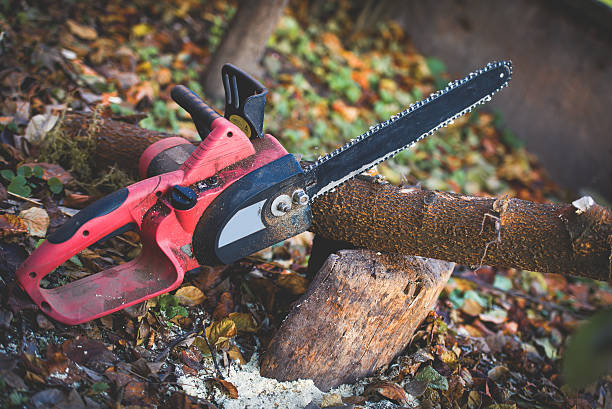
chainsaw in the garden on the block chainsaw in the garden on the block Tree removal stock pictures, royalty-free photos & images

Tree removal and cutting are critical aspects of maintaining the health, safety, and aesthetics of your property. Trees, while beautiful and beneficial in many ways, can sometimes pose risks or require maintenance to ensure their growth remains sustainable and controlled. Below, we explore some essential methods and techniques involved in tree removal and cutting.

Common Reasons for Tree Removal

  • Dead or Diseased Trees: Trees suffering from decay or disease can become hazardous if left unattended. They may weaken over time, increasing the risk of falling branches or full collapse.
  • Structural Risks: Trees growing too close to structures such as homes, power lines, or fences can cause damage during storms or high winds.
  • Overcrowding: In urban or landscaped areas, trees may grow too closely together, competing for nutrients and sunlight. Removing weaker trees supports healthier growth for others nearby.
  • Storm Damage: Severe weather events can leave trees unstable or partially fractured, making them unsafe.

Essential Tree Cutting Methods

  1. This is one of the simplest methods used when there’s adequate space around the tree.
  2. The process involves a precise cut at the base to direct where the tree will fall.
  3. Best suited for rural areas with open land.
  4. Used in confined spaces such as urban locations where felling isn’t possible.
  5. The tree is cut down in sections from top to bottom using ropes or cranes for better control.
  6. Ideal for large trees near buildings or infrastructure.
  7. Focuses on removing specific branches that pose risks rather than taking down the entire tree.
  8. Helps shape the structure while eliminating hazards like overhanging limbs.

Safety Measures During Tree Removal

  • Wearing appropriate personal protective equipment (PPE), including helmets, gloves, goggles, and harnesses.
  • Securing work zones with barriers to keep people away during cutting operations.
  • Using properly maintained tools like chainsaws with safety guards.
  • Inspecting trees thoroughly before beginning work to assess structural integrity.
Equipment Purpose Example Tools
Chainsaws Precise cutting of wood Gas-powered chainsaws
Ropes Controlled lowering of cut branches Climbing ropes
Cranes Lifting large sections during dismantling Hydraulic cranes

Benefits of Hiring Professionals

  • Proper assessment of risks associated with diseased or dangerous trees.
  • Safe execution using advanced equipment and techniques.
  • Compliance with local regulations concerning protected species or permits.

By leveraging these essential methods and techniques for tree removal and cutting, property owners can maintain a safer environment while preserving natural aesthetics responsibly.

Essential Tips for Tree Removal Akron OH to Ensure Property Safety

Tree removal and cutting play a significant role in maintaining the safety, aesthetics, and functionality of your property. While trees enhance the environment by providing shade, improving air quality, and increasing curb appeal, there are situations where tree removal or cutting becomes necessary to prevent risks or restore balance to the landscape. Below is an exploration of why these practices are crucial for property safety.

Effective Stump Removal Akron OH to Prevent Structural Damage

  • Branches hanging over roofs can break during storms or high winds.
  • Falling limbs may damage windows, gutters, or vehicles parked nearby.
  • Overcrowded trees may interfere with power lines, leading to electrical hazards.

Regular tree cutting ensures that growth is controlled while eliminating potential risks before they escalate.

Ensuring Safety with a Trusted Tree Removal Company Akron OH

  • Severe weather conditions (e.g., heavy snow accumulation on branches).
  • Internal decay that is not immediately visible.
  • Weak root systems caused by soil erosion or pest infestations.

Identifying these risks early through professional assessment can lead to timely removal or pruning of dangerous sections.

Professional Tree Cutting Service Akron OH for Healthy Growth

  • Reduced risk of disease spread among plants in your yard.
  • Improved light penetration for other vegetation growing beneath the tree.
  • Enhanced structural integrity of the tree through guided shaping.

Proper maintenance ensures long-term health for both individual trees and surrounding ecosystems.

Enhancing Property Value & Curb Appeal

Tree Condition Impact on Property Value
Healthy & Trimmed Positive
Overgrown & Unkempt Negative
Dead/Diseased Strongly Negative

Tree removal or cutting services ensure your outdoor spaces remain attractive while reducing liability concerns associated with poorly kept trees.

Protecting Against Pest Infestations

  1. You reduce breeding grounds for pests.
  2. You minimize the likelihood of infestations spreading further.
  3. You protect your property from costly pest-related damages.

Key Takeaways

Tree removal and cutting are essential practices not only for maintaining aesthetics but also for ensuring safety on residential and commercial properties alike. Proactive management prevents costly repairs due to structural damage while fostering healthy growth environments across landscapes. Engaging qualified professionals who understand proper techniques guarantees effective results tailored to specific environmental needs.

The Three Most Common and Effective Methods of Tree Cutting

Tree cutting is an essential aspect of maintaining the health, safety, and aesthetics of your property. Whether you’re dealing with overgrown branches, diseased wood, or hazardous trees, understanding the most common and effective methods of tree cutting can ensure safe and efficient results. Below are three widely used techniques for tree cutting, each suited to specific scenarios.

1. Directional Felling

Directional felling is one of the most commonly used methods for removing entire trees. This technique involves cutting a tree in such a way that it falls in a predetermined direction, minimizing risks to nearby structures or landscapes.

  • Assess the surroundings to determine the safest direction for the tree to fall.
  • Make a notch cut (a wedge-shaped incision) on the side facing the intended fall direction.
  • Perform a back cut on the opposite side to release tension and guide the tree toward its fall path.
  • Removing large trees in open areas.
  • Preventing damage to nearby buildings or power lines.

Advantages
| Pros | Cons | |——|——| | Controlled falling | Requires expertise | | Minimizes hazards | Risky without proper tools |

2. Sectional Dismantling

Sectional dismantling (also known as segmental tree removal) involves cutting down parts of a tree in smaller sections instead of felling it all at once. This technique is particularly useful for tall or leaning trees located near homes, fences, or other structures.

  • Secure climbers or use cranes to access higher sections of the tree.
  • Cut branches and trunk sections in manageable pieces.
  • Lower each piece carefully using ropes or mechanical equipment.
  • Removing trees in tight spaces.
  • Handling dangerous leaning trees.

Benefits: – Reduces potential damage. – Ideal for confined urban environments.

3. Crown Reduction

Crown reduction focuses on reducing the height and spread of a tree without removing it entirely. This method is often employed when dealing with overgrown crowns that pose risks during storms or interfere with utility lines.

  • Identify weak or overextended branches requiring trimming.
  • Cut branches back to healthy lateral growth points without compromising overall structure.
  • Ensure even distribution for aesthetic balance.

Key Applications: 1. Controlling growth near infrastructure (e.g., roofs, power lines). 2. Improving light penetration beneath dense canopies.

Final Thoughts

Each method has its unique advantages and considerations depending on your property’s needs and safety requirements. It’s important to consult professional arborists who have expertise in selecting appropriate techniques while ensuring compliance with local regulations regarding tree removal practices.

Tree surgeons at work. Elgin, Moray, Scotland - 22 January 2014: This is a scene of tree surgeons at work removing a tree from Cooper Park, near the Cathedral in Elgin, Moray, Scotland. Tree removal stock pictures, royalty-free photos & images

Exploring Advanced Techniques: Crown Thinning, Reduction, and Lifting

When it comes to maintaining healthy trees and ensuring their structural integrity, advanced pruning techniques like crown thinning, crown reduction, and crown lifting play a crucial role. These methods not only enhance the aesthetic appeal of trees but also improve their health, safety, and longevity. Below is a detailed look into each technique and its importance.

What is Crown Thinning?

Crown thinning involves selectively removing branches from within the tree’s canopy to reduce its density. This process allows sunlight to penetrate through the canopy while improving air circulation around the tree. It’s particularly beneficial for trees with dense foliage that may hinder photosynthesis or create excessive wind resistance.

Benefits of Crown Thinning: – Improves light penetration for grass or plants growing underneath – Enhances air circulation, reducing the risk of fungal diseases – Minimizes wind resistance, decreasing the likelihood of storm damage – Maintains the natural shape of the tree

Best Practices: – Remove no more than 20–30% of the canopy at a time to avoid stress on the tree. – Focus on crossing branches or those competing for space. – Always use sharp tools to ensure clean cuts that promote healthy regrowth.

Understanding Crown Reduction

Crown reduction is a technique used to decrease the overall size of a tree’s canopy by shortening its branches. Unlike topping (an outdated and harmful practice), crown reduction is performed strategically to maintain both structural integrity and natural appearance.

When to Use Crown Reduction: – The tree poses potential safety hazards near structures or power lines. – Overgrown branches are interfering with neighboring trees or property. – Restoration is needed after storm damage.

Steps Involved in Crown Reduction: 1. Identify branches that are excessively long or causing imbalance. 2. Cut back smaller lateral branches while preserving branch collars. 3. Avoid over-pruning; remove only as much as necessary for size management.

Advantages: – Reduces stress on weak limbs by distributing weight evenly – Prevents safety risks caused by overgrowth – Preserves the shape and health of mature trees

The Importance of Crown Lifting

Crown lifting involves removing lower branches from a tree’s canopy to increase vertical clearance. This technique is especially useful in urban settings where low-hanging branches can obstruct pedestrian walkways, roads, or driveways.

Applications of Crown Lifting: – Creating safe clearance beneath a tree for vehicles and pedestrians – Enhancing visibility in outdoor spaces like parks and gardens – Preventing interference with fences or nearby structures

Key Considerations: | Factor | Recommendation | |—————————|—————————————————————-| | Timing | Perform during dormant seasons for minimal stress on trees | | Extent | Avoid removing too many lower limbs; over-lifting may harm stability | | Tree Type | Suitable for mature trees but should be avoided for younger ones |

Combining Techniques for Holistic Tree Care

While crown thinning improves light distribution within a canopy, crown reduction addresses size concerns without harming growth patterns. Similarly, crown lifting ensures practical functionality in urban areas by increasing ground clearance. Using these methods together allows arborists to manage both aesthetic appeal and functional needs effectively.

Proper implementation of these techniques requires skillful execution and an understanding of arboricultural principles. Engaging certified professionals ensures that your trees remain healthy while mitigating potential risks associated with improper pruning practices.

How Pollarding and Coppicing Contribute to Healthier Trees

Proper tree maintenance is essential not only for improving the aesthetic appeal of landscapes but also for fostering healthier and more sustainable growth. Two traditional yet highly effective techniques often employed in arboriculture are pollarding and coppicing. Both methods, though distinct in approach, can significantly contribute to the longevity, health, and utility of trees.

What is Pollarding?

Pollarding involves the systematic pruning of a tree’s upper branches to promote a dense head of foliage and branches. This method is typically initiated when the tree is young and repeated at regular intervals throughout its lifespan. The primary goal of pollarding is to control the size of the tree while encouraging healthy regrowth.

  • Size Management: Helps maintain trees at a manageable height.
  • Improved Safety: Prevents large branches from becoming hazardous.
  • Enhanced Longevity: Reduces stress on older trees by removing heavy growth regularly.
  • Urban Use: Ideal for street trees or areas with limited space.

Common species that respond well to pollarding include sycamores, willows, and certain types of oaks.

What is Coppicing?

Coppicing, on the other hand, involves cutting a tree or shrub down to its base or near-ground level every few years. This practice encourages vigorous new shoots from the stump or roots. Unlike pollarding, coppicing allows for harvesting materials such as wood without completely killing the plant.

  • Wood Production: Provides renewable resources like firewood, fencing material, and craft timber.
  • Ecological Benefits: Creates diverse habitats for wildlife due to staggered regrowth cycles.
  • Tree Vitality: Encourages new growth while maintaining root systems intact.
  • Sustainable Practices: Can be incorporated into forestry management plans without deforestation risks.

Species well-suited for coppicing include hazel, willow, sweet chestnut, and ash.

Comparing Pollarding and Coppicing

Criteria Pollarding Coppicing
Height After Pruning Maintains some height Cut down near ground level
Purpose Aesthetic control; safety Wood production; ecological use
Best Initiation Stage Young trees Young or mature trees
Frequency Regular pruning intervals Every 5–20 years depending on species

Both methods provide distinct yet complementary advantages depending on environmental needs or management objectives.

Promoting Tree Health Through Traditional Techniques

  1. Property owners can better manage their landscapes sustainably.
  2. Arborists can adopt targeted methods that align with ecological goals or maintenance requirements.
  3. Woodlands can thrive as diverse ecosystems while meeting practical human needs.

When performed correctly under professional guidance, pollarding and coppicing ensure that trees remain an asset to any environment rather than becoming liabilities due to unchecked growth or poor health management practices.


Understanding the Importance of Stump Removal Akron OH and Knowing When Tree Removal is Necessary

Professional gardeners are putting the branches of a trimmed tree in a wood chipper and pickup truck and maintenance in springtime. Professional gardeners are putting the branches of a trimmed tree in a wood chipper and pickup truck maintenance in springtime. Tree removal stock pictures, royalty-free photos & images

Trees are vital to the environment, providing shade, improving air quality, and enhancing the beauty of our communities. However, there are instances where cutting or removing a tree becomes necessary for various reasons. Understanding the importance of tree removal and identifying when it is required can help maintain safety, preserve property, and protect other plants in the area.

Why Cutting or Removing Trees Matters

  1. Dead or dying trees pose a risk of falling branches or structural collapse, potentially causing damage to property or injury to people.
  2. Trees with weak root systems may fall during storms or high winds.
  3. Tree roots can interfere with underground pipes, foundations, sidewalks, and driveways.
  4. Overhanging branches may damage roofs, windows, and vehicles parked nearby.
  5. Pruning or cutting certain branches can promote healthier growth by removing diseased or pest-infested areas.
  6. Removing overgrown trees allows surrounding plants to receive adequate sunlight and nutrients.
  7. Properly maintaining trees enhances the appearance of your property. Neglecting overgrown trees can lead to an unkempt look.
  8. Removing a dead or unsightly tree can significantly improve landscaping aesthetics.

When Tree Removal Becomes Necessary

Determining when a tree needs to be removed requires careful evaluation.

  • Structural Damage:Cracks in the trunk, hollow sections, or large splits could compromise the stability of the tree.
  • Signs of Decline:Yellowing leaves outside their normal seasonal changes or thinning foliage may indicate disease.
  • Root Problems:Visible root rot or signs that roots are lifting out of the ground suggest instability.
  • Proximity to Structures:Trees growing too close to buildings, power lines, fences, or other critical structures may need removal for safety reasons.
  • Expert Tree Cutting Service Akron OH for Pest-Free Trees:Certain pests like termites or bark beetles can cause significant damage that warrants complete removal.

Balancing Preservation with Necessity

While it’s important to recognize when a tree poses risks that necessitate removal, not all situations call for drastic measures.

  • Regular pruning maintains health without requiring full removal.
  • Consulting an arborist ensures expert evaluation before making decisions about cutting down a tree.
Reason for Cutting/Removal Example Scenarios Alternatives (if applicable)
Safety Concerns Dead/dying limbs; storm-damaged trunks Prune damaged sections if possible
Property Damage Risk Roots cracking pavement; branches on roofs Install root barriers
Disease/Pests Extensive infestation harming health Treat disease if detected early

Properly managing trees involves striking a balance between protecting them as valuable assets and ensuring they do not become liabilities. By knowing when action is necessary and seeking professional guidance if uncertain about risks involved with maintenance efforts such as pruning versus full removal—homeowners prioritize both their safety needs alongside preserving natural beauty responsibly.

Essential Tips for Tree Removal Akron OH: Knowing When It’s Necessary

When it comes to tree removal, timing is essential. Trees can enhance the beauty and value of your property, but there are situations where keeping a tree may pose risks to safety, property, and other nearby trees. Below are some key signs that indicate a tree may need to be removed.

Ensuring Safety with a Trusted Tree Removal Company Akron OH

A structurally unstable tree can pose serious risks.
Cracks or splits in the trunk– Significant fractures in the trunk often suggest internal decay or instability.
Leaning treesDead branches– Dead or decaying limbs often mean deeper problems within the tree’s structure.

Pest Infestation

Trees infested with pests such as termites, borers, or beetles can deteriorate over time and spread infestations to surrounding plants.
– Holes drilled into bark or wood.
– Sawdust-like residue around the tree base (known as frass).
– Visible insects or larvae under loose bark.

Signs of Disease

Tree diseases can spread quickly if not addressed promptly.
| Symptom | Possible Cause | Action Needed | |————————–|—————————|————————| | Fungal growth on trunk | Internal decay | Professional inspection| | Discolored leaves | Nutrient deficiency/disease| Removal if severe | | Wilting branches | Root rot | Assess stability |

Diseased trees often become brittle and prone to falling, making removal necessary for safety.

Proximity Hazards

The location of a tree can also determine whether it should be removed:
– Trees growing too close to power lines pose electrical hazards. – Roots causing damage to foundations, sidewalks, or underground utilities need attention. – Overhanging branches near roofs or windows increase risks during storms.

Severe Storm Damage

If a storm has caused significant physical damage—such as snapped trunks or major limb loss—it might be irreparable. Compromised trees often become unsafe over time and should be evaluated by professionals.

Limited Growth Potential

Sometimes a tree is simply in decline due to old age or poor growing conditions: – Sparse foliage during peak seasons. – Stunted growth compared to nearby healthy trees.

In these cases, removing the tree allows space for healthier vegetation.

By regularly inspecting your property’s trees for these warning signs, you can safeguard both your home and surrounding landscape from preventable hazards. Consulting with a certified arborist ensures accurate evaluations and proper recommendations tailored to your specific situation.

Why You Should Trust Professionals for Safe and Efficient Tree Removal Services

Tree removal can be a complex and potentially hazardous task. While it may seem tempting to save costs by attempting the job yourself, hiring professionals for tree removal services is often the safest and most efficient option. Below, we explore why entrusting experts with tree removal is essential.

Expertise and Knowledge

Professional arborists have the training and experience necessary to assess a tree’s structure, health, and condition before removal. They can determine the best approach to safely remove a tree while minimizing risks.
– The size and height of the tree
– Proximity to buildings, power lines, or other structures
– Root system stability
– Health issues like decay or disease

Professionals use their knowledge to create a removal plan tailored to your property’s unique circumstances.

Specialized Equipment

Tree removal requires specialized tools such as chainsaws, cranes, stump grinders, rigging gear, and wood chippers. These tools are not only expensive but also require proper training for safe and effective use. Certified arborists have access to this equipment and know how to handle it in varying situations.

Examples of Professional Tools:
Equipment Purpose
Chainsaws Cutting branches or sections of trunk
Cranes Removing large trees in confined spaces
Stump Grinders Grinding down stumps after tree removal
Rigging Gear Controlled lowering of heavy branches

Using these tools properly ensures efficiency while reducing damage risk.

Safety Measures

Removing trees involves significant safety risks—falling branches, unstable trunks, or proximity hazards like power lines make DIY attempts dangerous. Certified arborists follow strict safety protocols using protective gear (helmets, gloves), ropes for controlled movement of limbs, and strategies for avoiding property damage.

Examples of safety practices:
– Conducting thorough risk assessments beforehand
– Securing work areas with warning signs or barriers
– Utilizing harnesses when working at heights

Insurance Coverage

Reputable tree service companies carry insurance that protects both their workers and your property in case of accidents. This means that if any unforeseen damage occurs during the process, you are not held liable financially—a significant advantage over attempting the project on your own.

Time Efficiency

Tree removal is time-consuming without the right expertise or equipment. Professionals can complete the job efficiently thanks to their experience handling similar tasks regularly. What might take days for an inexperienced individual could be completed in hours by experts.

Environmental Considerations

Arborists understand how proper disposal affects local ecosystems. They ensure environmentally responsible practices such as recycling wood into mulch or firewood rather than discarding it improperly.

In summary, trusting professionals for tree removal ensures safety, efficiency, minimal risk of property damage, and environmentally friendly practices—all while saving you time and effort. Whether it’s a diseased tree threatening your home or routine maintenance needs on your property, professional services provide peace of mind knowing you’re in capable hands.

Dangerous fallen tree branch in residential neighborhood. Causes can include a storm, hot dry environment, or because the branch extends further than the trunk can support Santa Clara, CA, USA - September 25, 2022: Dangerous fallen tree branch in residential neighborhood. Causes can include a storm, hot dry environment, or because the branch extends further than the trunk can support Tree removal stock pictures, royalty-free photos & images

What to Look for When Determining if a Tree Needs to Be Removed

Knowing when a tree needs to be removed is essential for maintaining the safety, health, and aesthetics of your property. Trees can enhance landscapes and provide environmental benefits, but certain situations may require their removal. Carefully assessing the condition of a tree can help you make an informed decision. Below are key factors to consider when determining whether tree removal is necessary.

Physical Damage and Structural Instability

One of the most obvious signs that a tree might need removal is physical damage or structural instability. This can occur due to natural factors like storms, lightning strikes, or disease.

  • Cracks in the trunk: Deep or wide cracks can compromise structural integrity.
  • Leaning trees: Trees that lean significantly without natural balance often pose a hazard.
  • Damaged branches: Dead or broken branches with no regrowth may indicate deeper issues in the tree itself.

Signs of Disease or Decay

Tree health directly impacts its longevity and safety.

  • Fungal growth: The presence of fungi, like mushrooms growing around the base, could mean internal rot.
  • Discolored or wilting leaves: Persistent discoloration during growing seasons can signal root problems.
  • Hollow trunk: If significant portions of the trunk are hollowed out, stability is compromised.

Proximity to Property and Utilities

  • Overhanging branches near roofs and windows: These pose risks during storms or high winds.
  • Roots impacting foundations or underground pipes: Expanding roots can cause costly structural damages.
  • Electrical hazards: Trees growing too close to power lines risk outages or accidents.

Should you notice these concerns, consult utility companies before any action is taken.

Environmental Impact

Sometimes trees outgrow their environment or overcrowd other plants in your yard.

  • The tree casts excessive shade hindering grass/plant growth.
  • It’s competing for resources with healthier nearby trees.

Removing one overcrowded tree might improve overall landscape vitality.

Table: At-a-Glance Checklist

Concern Description Action Required?
Cracks in Trunk Deep cracks weaken structure Yes
Leaning Significant Degrees Poses risk during adverse weather Yes
Excessive Fungal Growth May indicate internal decay Yes
Too Close To Utility Lines Creates potential hazards Consult local utility first

Professional Evaluation Matters

While some signs are visible to property owners, others are more subtle and require professional expertise. Certified arborists have experience diagnosing issues such as root rot or pests that may not be immediately noticeable but greatly affect a tree’s health and safety.

By carefully evaluating these factors and seeking professional advice when needed, you can make responsible decisions regarding whether a tree should remain part of your property’s landscape.

How to Safely Remove a Tree Without Causing Damage to Your Property

Removing a tree can be a complex and potentially hazardous task if not approached with careful planning and the right techniques. Whether you are dealing with a dead, diseased, or overgrown tree, safety and property protection should always remain your top priorities. Below is a comprehensive guide on how to safely remove a tree without causing damage to your property.

Assess the Situation Before Taking Action

Before starting any removal project, it’s crucial to evaluate the surrounding environment and the condition of the tree itself.

  • Is the tree dead, leaning, or hollow inside?
  • Are there large branches that could fall unpredictably?
  • Is the tree close to your home, garage, power lines, or fences?
  • Could falling debris damage nearby vehicles or landscaping?
  • Avoid attempting removal during high winds or storms as this increases risks significantly.

Careful assessment will help determine whether you can safely proceed yourself or if professional assistance is required.

Gather Essential Tools and Safety Gear

Using proper equipment is critical for safe tree removal.

  • Safety Gear: Helmets, eye protection (goggles), gloves, ear protection (if using power tools), and sturdy boots.
  • Cutting Tools: Chainsaw or handsaw suited for the size of the tree.
  • Support Equipment: Ropes for stabilizing limbs during cutting.
  • Ladders and Harnesses(if climbing is required).

Investing in safety measures reduces both personal risk and potential damage to surrounding areas.

Plan an Escape Route

When cutting down trees, it’s important to anticipate where they will fall. Follow these steps: 1. Identify the natural lean of the tree (this often indicates its likely direction of fall).
2. Clear all obstacles within that zone (e. g. , furniture, pots).
3. Create at least two clear escape routes—these should be free from debris in case you need to retreat quickly after making cuts.

Step-by-Step Guide for Safe Tree Removal

  1. Remove Smaller Branches First
    Begin by trimming smaller branches using pruning shears or saws. Removing these branches first improves visibility while also reducing weight on larger limbs.
  2. Cut Larger Branches Strategically
    Tackle larger sections above ground level next but ensure you secure them with ropes before cutting so they do not swing uncontrollably or cause property damage.
  3. Make Proper Cuts at Base of Trunk
    Use directional felling techniques where cuts are made strategically—starting with an angled notch on one side followed by a horizontal backcut on the opposite side—to guide where the trunk falls safely.
  4. Monitor Closely During Felling Process
    Have someone act as a spotter who can watch for unexpected movements while warning others nearby about potential dangers.

When Hiring Professionals Becomes Necessary

  • Trees near power lines demand specialist skills due care needed when dealing around electricity hazards .
    Extremely large trees whose trunks exceed average tools capacity

How to Safely Remove a Tree Without Causing Damage to Your Property

Removing a tree is a task that requires careful planning and execution to ensure safety and prevent damage to your property. Whether the tree poses a safety concern or has simply outgrown its space, following proper procedures can make the process smooth and secure.

Steps for Safe Tree Removal

  1. Identify structural weaknesses, such as cracks in the trunk or dead branches.
  2. Check for signs of disease or infestation that might make the tree unstable during removal.
  3. Evaluate where the tree will naturally fall by studying its lean and branch weight distribution.
  4. Clear obstacles like vehicles, garden furniture, or power lines from this area.
  5. Gather Proper Tools Ensure you have suitable equipment for cutting and safety:
  6. Chainsaw
  7. Safety helmet
  8. Protective gloves
  9. Safety goggles
  10. Rope or rigging tools
  11. Create a perimeter around the work area to keep others at a safe distance.
  12. Communicate with anyone on-site about potential hazards.
  13. Start by removing lower branches to lighten the weight of the trunk.
  14. Use directional notches (a V-shaped cut) on one side of the trunk to direct where you want it to fall.
  15. Make horizontal back cuts slightly above your directional cut while monitoring any movement in the tree.
  16. Control Falling SectionsConsider using ropes to guide large limbs safely to the ground rather than letting them fall freely.

Potential Risks During Tree Removal

Tree removal can be dangerous when not approached correctly.

Risk Example
Property Damage Branches falling onto homes, fences, or vehicles
Personal Injury Chainsaw accidents or being struck by falling branches
Utility Interference Trees near power lines can cause outages if not handled appropriately

To mitigate these risks: – Always inspect for nearby utility lines before cutting. – Work in clear weather conditions without wind or rain. – Use proper protective gear at all times.

When Professional Help Is Necessary

While smaller trees may be manageable for experienced homeowners, certain situations require professional expertise: – Trees located close to buildings, power lines, or other structures. – Large trees with extensive root systems that could destabilize surrounding areas during removal. – Diseased or decayed trees that pose unpredictable hazards.

Certified arborists have specialized tools and training to handle challenging removals while minimizing risks. They also have insurance coverage in case of accidents, providing added peace of mind for property owners.

Safe tree removal prioritizes preparation, precision, and awareness of potential hazards. By following these guidelines—or enlisting expert help—you can protect both your property and personal safety throughout the process.

Expert Guide to Tree Pruning Akron OH: Professional Trimming and Cutting Services

Tree trimming, pruning, and cutting are essential practices for maintaining the health and aesthetics of your trees. These services not only improve a tree’s appearance but also ensure safety, longevity, and overall vitality. Below, we provide a detailed guide on each aspect of these professional services to help you understand their importance and how they contribute to effective tree care.

Benefits of Tree Trimming, Pruning, and Cutting

Proper tree care involves more than just cutting branches.

  • Removes dead or diseased branches.
  • Improves air circulation within the canopy.
  • Encourages healthy growth by eliminating weak limbs.
  • Reduces the risk of falling branches that could harm people or property.
  • Prevents interference with electrical lines or nearby structures.
  • Shapes trees for a more balanced look.
  • Helps maintain symmetry in your landscaping design.

Key Differences Between Trimming, Pruning, and Cutting

Service Purpose Frequency Tools Used
Trimming Focuses on shaping for aesthetics Seasonal Hedge trimmers, shears
Pruning Targets health by removing problem areas As needed (2-3 years) Loppers, hand saws
Cutting Involves larger-scale removal (e.g., branches) Occasionally (structure-specific) Chainsaws

When Should These Services Be Performed?

  • Seasonal Considerations: Most trimming and pruning should occur in late winter or early spring when trees are dormant.
  • Signs It’s Time for Maintenance: Look out for deadwood, overgrowth affecting power lines or property structures, broken branches after storms, or disease symptoms such as discolored leaves or bark damage.

Why Hire Professionals?

  1. Safety Concerns: Climbing tall trees or using heavy equipment can pose risks without training.
  2. Specialized Knowledge: Arborists understand how to make precise cuts without harming the tree’s structural integrity.
  3. Efficient Equipment Use: Professional-grade machinery ensures timely completion without damaging surrounding property.

Tips for Choosing an Expert Tree Service Provider

  • Verify certifications such as ISA (International Society of Arboriculture).
  • Inquire about insurance coverage to safeguard against accidents during service.
  • Check customer reviews or request references from past clients.
  • Request a detailed quote that outlines services included to avoid hidden fees.

Proper tree trimming, pruning, and cutting are essential components of responsible landscaping care. By understanding when and why these services are necessary—and hiring professionals—you can keep your property beautiful while ensuring long-term safety and sustainability for both trees and surrounding areas.