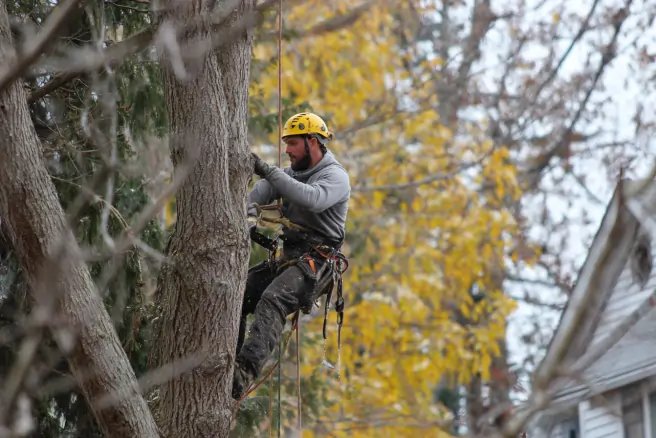
Tree removal can be a complex process that requires careful planning and execution. Whether you’re dealing with a hazardous tree or simply clearing space, ensuring safety and efficiency throughout the process is essential. Below, we delve into the key techniques for safe and effective tree removal.
Importance of Safety in Tree Removal
Tree removal poses several risks if not done correctly. Some potential hazards include:
– Falling branches or tree sections
– Damage to nearby property or structures
– Injuries from improper use of equipment
Following proper safety protocols minimizes these risks and ensures the process runs smoothly.
Key Steps for Safe Tree Removal
- Inspect the tree thoroughly for structural issues like decay, splits, or dead branches.
- Evaluate leaning trees carefully as they may indicate root instability.
- Identify proximity to power lines or buildings.
- Remove people, pets, vehicles, and other obstructions around the work zone.
- Establish a safe perimeter using barriers or warning signs.
- Choosing Appropriate Tools
Depending on the size and condition of the tree, you may need:- Chainsaws for cutting larger sections of wood.
- Hand saws for smaller branches or limbs.
- Ropes and harnesses for controlled felling in tight spaces.
- Determining Felling Direction
Properly planning where a tree will fall is critical to avoiding damage: - Study natural lean direction or adjust felling with controlled cuts.
- Use wedges to guide the fall if necessary.
- Executing Precision Cuts
Professional tree cutters typically make three key cuts:
1) The undercut (notch) on the side facing where you want it to fall. 2) The back cut opposite the notch to release tension. 3) Smaller trimming cuts for limbs removed first during sectional takedown processes.
Modern Methods in Sectional Takedown
For trees located near structures or confined areas, sectional takedown – removing one piece at a time – is often safer than full felling techniques: – Arborists use climbing gear combined w/ rigging rope-slings carrying away debris orderly safely
Essential Tips for Stump Removal Akron OH to Prepare Your Property Effectively
Preparing your property for tree removal is a critical process that ensures safety, efficiency, and the protection of surrounding structures and vegetation. Proper preparation can streamline the task for professionals and prevent unnecessary damage or delays. Below are key steps to follow when getting your property ready for safe and effective tree removal.
1. Clear the Surrounding Area
Before tree removal begins, it’s essential to create a clear workspace around the tree. This allows professionals to maneuver equipment safely and reduces the risk of damage to nearby objects.
- Remove outdoor furniture: Relocate patio furniture, grills, or other items that may be in the vicinity of the tree.
- Tidy up landscaping elements: Trim back shrubs or plants near the tree base to provide clear access.
- Relocate vehicles: Park cars away from work zones to avoid accidental damage from falling debris.
2. Inform Neighbors (If Necessary)
If the tree being removed is close to property lines or overhangs into neighboring yards, it’s courteous and practical to inform neighbors ahead of time. This proactive communication can help avoid conflicts while ensuring everyone is aware of potential noise or temporary disruptions.
3. Identify Utility Lines
- Contact local utility companies to assess if any power lines need temporary shutdowns or rerouting during removal.
- Mark underground utilities such as gas lines, water pipes, and cable wires using flags provided by local services.
This step minimizes risks associated with damaging essential infrastructure.
4. Designate a Safe Zone for Family Members and Pets
- Keep children and pets indoors during the process.
- Designate a safe viewing area at least 20 feet away from where professionals will be working.
Additionally, if you have outdoor animals such as dogs in kennels or livestock in pens near the work zone, consider relocating them temporarily.
5. Determine Access Points for Equipment
- Opening gates or removing fences if necessary.
- Clearing driveways so trucks can park close enough to transport removed materials.
Proper access reduces delays caused by limited space constraints.
6. Examine Weather Conditions
| Condition | Impact on Tree Removal | Action Steps |
| High Winds | Falling branches may behave unpredictably | Reschedule on windy days |
| Heavy Rain | Slippery ground increases risks | Wait until conditions improve |
| Extreme Heat | Prolonged exposure affects worker performance | Consider early morning schedules |
Checking local forecasts in advance helps ensure optimal working conditions for both workers and equipment efficiency.
7. Discuss Cleanup Preferences with Professionals
- Clarify who will handle debris cleanup—some services include hauling away waste while others leave it for homeowners.
- Discuss whether you’d like any parts of the wood saved (e.g., firewood or mulch).
This communication prevents misunderstandings about post-removal expectations.
By following these steps carefully before starting a tree removal project on your property, you not only make things easier for professional arborists but also reduce risks associated with accidents or damages during the process. Proper preparation ensures that everything proceeds smoothly while protecting both your home’s value and overall safety throughout this essential procedure.
Expert Tips for Hiring the Best Tree Removal Company Akron OH
Hiring a professional tree removal service from https://www.treeserviceakronohpros.net/ is essential to ensure safety, efficiency, and quality work. Choosing the right service provider can seem overwhelming given the number of companies available. Below are expert tips to help you make an informed decision.
Research and Verify Credentials
- Licensing and Insurance: Confirm that the company holds proper licensing for your region. Also, ensure they carry both liability insurance (to cover property damage) and worker’s compensation insurance (to cover injuries).
- Certifications: Look for certifications from organizations like the International Society of Arboriculture (ISA) or the Tree Care Industry Association (TCIA). These certifications indicate adherence to professional standards.
- Local Reputation: Read online reviews on platforms such as Google or Yelp. Additionally, ask for references from previous clients in your area.
Assess Their Equipment and Practices
- Equipment Quality: Verify that they use well-maintained equipment such as chainsaws, stump grinders, rigging gear, and wood chippers.
- Safety Measures: Professionals should follow OSHA safety standards during operations. This includes wearing safety helmets, goggles, gloves, and harnesses if necessary.
- Techniques Used: Inquire whether they follow best practices for removing trees in confined spaces or near structures.
Request Detailed Estimates
| Service Aspect | Questions to Ask |
| Total Cost | What is included in the estimate? Does it cover stump grinding or debris cleanup? |
| Breakdown of Charges | Are there additional fees for large trees or emergency services? |
| Payment Schedule | Is a deposit required? When is final payment due? |
Be wary of very low bids, as these may indicate subpar work or inadequate insurance coverage.
Inquire About Their Experience
- How long has the company been in business?
- Have they handled projects similar to yours (e.g., large hazardous trees)?
- Do they offer specialized services like crane-assisted tree removal if needed?
An experienced team will have practical knowledge about local regulations regarding tree removal permits.
Evaluate Responsiveness and Professionalism
- Are they responsive to inquiries?
- Do they provide thorough answers to your questions?
- Are their representatives courteous during consultations?
These factors reflect their commitment to customer satisfaction.
By following these tips, you can hire a reliable tree removal service that prioritizes safety, efficiency, and quality results tailored to your specific needs.
How to Know When to Call a Tree Cutting Service Akron OH for Immediate Tree Removal
Identifying when a tree requires immediate removal is crucial for maintaining the safety of your property and its surroundings. A hazardous or compromised tree can pose serious risks, including structural damage, injury, and even legal liabilities. Below is a detailed guide to help you recognize potential warning signs that indicate a tree needs immediate attention.
Common Signs of Tree Instability
- Large branches with missing leaves during the growing season can indicate decay or disease.
- Branches that fall frequently, even in mild weather, signal instability.
- Visible fractures or splits in the trunk weaken the tree’s structural integrity.
- Deep cracks are often a sign of internal decay, which can make the tree more vulnerable to falling.
- If a tree begins to lean suddenly or shifts noticeably after strong winds, this could indicate root damage.
- A gradual lean due to uneven weight distribution may also lead to eventual collapse.
- Exposed roots that appear damaged can compromise stability.
- Fungal growth at the base of the trunk typically points to root rot.
- Cavities in trunks or large branches suggest internal decay and reduce strength over time.
- The presence of termites, beetles, or other invasive pests weakens wood structure and accelerates decay.
Environmental Warning Signs
- Storm Damage: Severe weather events such as storms, lightning strikes, or heavy snow loads can render trees unstable.
- Proximity to Structures: Trees growing close to houses, power lines, or other infrastructure pose an increased risk when decayed or unstable.
- Soil Erosion: Shifting soil around a tree’s base due to flooding or erosion undermines roots and anchoring systems.
Professional Assessment vs DIY Inspection
| Inspection Type | Conducted By | Tools/Methods Used | Purpose |
| Basic Visual Check | Homeowner | None | Identify obvious surface issues |
| Arborist Evaluation | Certified Arborist | Resistograph drills & ultrasound tools | Assess internal health & damage |
| Risk Analysis | Tree care professionals | Crane inspections & stability tests | Determine fall likelihood |
Professionals not only diagnose underlying issues but also provide recommendations on whether removal is necessary.
When Immediate Action is Necessary
If any of these signs are present:
– A leaning tree poses danger near high-traffic areas. – Structural cracks expose significant decay within limbs. – Emergency conditions such as storm-damaged trees block roads or entrances.
Delaying removal under these circumstances increases safety risks for both people and property nearby.
Expert Tips for Tree Removal Akron OH: Assessing Health and Risks
Properly evaluating tree health and assessing the risk associated with a tree is a critical step in determining whether tree removal is necessary and how to approach it. Trees can pose potential hazards to property, people, and surrounding structures if they are damaged, diseased, or dying. Below is a detailed guide on how to evaluate tree health effectively and assess related risks.
Key Indicators of an Unhealthy Tree
- Large branches without foliage or bark peeling off may indicate disease or decay.
- Vertical cracks or splits can weaken the structural integrity of the tree, increasing its risk of falling.
- Mushrooms or fungi at the base of a tree often signify internal decay within the trunk or roots.
- A sudden lean may suggest root instability or soil erosion around the base.
Steps to Assess Risk
- Evaluate how close the tree is to homes, power lines, driveways, fences, and other structures. Trees that overhang such areas have increased potential for damage if they fail.
- Roots play an essential role in anchoring a tree to the ground. Look for mounded soil around the base (a sign of root upheaval) or exposed roots due to erosion.
- The crown (top portion) should be evenly distributed with healthy leaves during its growing season. Sparse foliage could signal stress from pests, disease, or environmental issues.
- Trees in storm-prone regions are at greater risk if already weakened by disease, age, or decay.
Professional Tools Used for Evaluation
| Tool | Purpose | Example Use Case |
| Resistograph | Measures internal wood density | Identifies hidden internal decay in trunks |
| Sonic Tomograph | Produces cross-sectional images of internal decay | Detects hollow sections inside large trees |
| Crane System | Simulates weight bearing on leaning trees | Tests root stability before removal |
When Should You Remove a Tree?
- If over 50% of its structure shows visible damage.
- When pests like termites threaten nearby structures after infesting wood.
- If it creates an immediate safety hazard due to weather instability.
Modern Techniques and Equipment Used in Professional Tree Removal
Tree removal has evolved significantly over time, with advancements in techniques and equipment making the process safer, more efficient, and environmentally conscious. Understanding these modern methods can provide valuable insights into how professionals handle even the most challenging tree removal tasks.
Advanced Techniques for Tree Removal
- Sectional Takedown: This involves removing a tree piece by piece, starting from the top. It’s ideal for trees located near buildings or power lines as it minimizes the risk of property damage.
- Directional Felling: A controlled method where the tree is cut to fall in a specific direction. This technique requires precise calculations to avoid accidents or damage.
- Cabling and Rigging: Professionals use ropes, pulleys, and other rigging systems to guide sections of the tree safely to the ground when space is limited or obstacles are present.
These techniques are designed to prioritize safety while ensuring minimal impact on the surrounding environment.
Essential Equipment Used by Professionals
| Equipment | Purpose |
| Chainsaws | For cutting through thick branches and trunks efficiently |
| Cranes | To remove large trees in confined spaces without damaging nearby areas |
| Stump Grinders | For complete stump removal after the tree has been cut down |
| Aerial Lifts | To access tall trees safely |
| Wood Chippers | To turn branches into mulch or wood chips for eco-friendly disposal |
| Safety Gear (helmets, harnesses, gloves) | Protects workers from potential hazards during removal |
Each piece of equipment plays a vital role in facilitating smooth operations while reducing risks.
Key Benefits of Using Modern Tools and Techniques
The adoption of modern tools and methods in professional tree removal offers several advantages:
1. Enhanced Safety: Advanced equipment reduces manual labor-intensive tasks, minimizing workplace injuries. 2. Improved Efficiency: Machinery like cranes or aerial lifts enables faster completion of projects compared to traditional methods. 3. Precision Cutting: Directional felling ensures trees are removed without causing unintended damage. 4. Eco-Friendly Disposal: Tools like wood chippers allow for sustainable recycling of debris into mulch or compost material.
When Are Specialized Techniques Necessary?
Modern methods often come into play under certain challenging conditions such as: – Trees located near power lines or close to buildings – Diseased or decayed trees that pose structural instability – Removal of especially large or old trees requiring additional support systems
By leveraging both expertise and specialized machinery, professional services ensure that even complex removals are managed effectively.
While DIY attempts may seem cost-effective at first glance, they lack the precision and safety standards ensured by trained professionals using modern techniques and equipment. Opting for experienced experts not only protects your property but also promotes safe practices aligned with environmental sustainability goals.
- Comprehensive Guide to Tree Pruning Akron OH: Safe and Efficient Techniques
- Identifying When Tree Pruning Akron OH Services Are Necessary
- Tree Pruning Akron OH: Essential Methods and Techniques Explained
- Understanding the Importance of Stump Removal Akron OH and Knowing When Tree Removal is Necessary
- Techniques and Important Considerations for Tree Pruning Akron OH
- The Ultimate Guide to Tree Pruning Akron OH and Crane-Assisted Tree Removal
